
DISCOVER ISLAM
“Indeed, Allah has
chosen for you this faith;
so do not die except in a state of full
submission.”
﴾ إِنَّ ٱللَّهَ ٱصْطَفَىٰ لَكُمُ ٱلدِّينَ فَلَا تَمُوتُنَّ إِلَّا وَأَنتُم مُّسْلِمُونَ ﴿
The Clear Quran · 2 : 132
Start your Journey!
You don’t need to have all the answers!
Just the curiosity to take the first step…
Why There Must Be One God?
Explore why Existence, Order, and Meaning cannot be explained without a necessary, eternal Creator.
Who is God (Allah)? ![]()
Why God must be
eternal? ![]()
Why God is unlike
creation? ![]()
Why Would God Guide Humanity?
God created the creation with wisdom and intent, so guidance becomes a necessity not an accident.
Why humans need
guidance? ![]()
What is the Qur’an? ![]()
What is revelation? ![]()
How divine guidance reaches humanity
Why God chose prophets to deliver His message, and how true prophethood is recognized
What is
prophethood? ![]()
Muhammad (PBUH)
Journey ![]()
Accepting the Truth!
When belief in God and His guidance is clear, faith begins with a simple declaration.
Learn About
the Shehada ![]()
What’s after
my Shehada? ![]()
Islam is not just a belief, it’s a way of living that brings purpose, balance, and meaning to everyday life.
The Five
Pillars of Islam ![]()
Why Muslims pray ![]()
Fasting in
Ramadan ![]()
Talk to a Muslim
A conversation, not a commitment
Get your free Quran
Thoughtfully prepared for curious minds
It’s okay to still have questions
Ask any question
The framework of Muslim life
The Five Pillars
The Five Pillars are the fundamental practices that strengthen a Muslim’s faith and connect them to God and to the community — the framework upon which a believer’s life is built.
READ MORE
-
The Declaration of Faith (Shahada)
This is the central pillar and the foundation of all others. It is the sincere declaration, “There is no deity worthy of worship except God (Allah), and Muhammad (PBUH) is His messenger.” To become a Muslim, a person simply recites this phrase with conviction. It affirms God’s oneness and the guidance He sent through His final prophet. -
Prayer (Salah)
Muslims perform five formal prayers each day at specific times: dawn, noon, mid-afternoon, sunset, and night. These prayers, which involve recitation of the Quran and various physical postures, are a direct line of communication with God. They serve as a constant reminder of one’s purpose and help to instill discipline and gratitude. -
Charity (Zakat)
Zakat is the practice of giving a set proportion (typically 2.5%) of one’s accumulated wealth to the poor and needy. It is not seen as mere charity but as a right that the poor have over the wealthy. Zakat purifies one’s wealth, combats greed, and fosters a sense of social responsibility and compassion for the less fortunate. -
Fasting (Sawm)
Every year during the month of Ramadan, healthy adult Muslims are required to fast from dawn until sunset. This means abstaining from all food, drink, and marital relations. The fast is an act of worship that teaches self-discipline, patience, and empathy for those who live in hunger. It is a time for intense spiritual reflection and community bonding. -
Pilgrimage (Hajj)
If they are physically and financially able, every Muslim is required to make a pilgrimage to the holy city of Mecca in Saudi Arabia at least once in their lifetime. The Hajj brings together millions of Muslims from every corner of the globe, stripping away all markers of race, wealth, and status. It is a powerful symbol of unity and equality before God.
What Muslims believe
The Foundations of Faith
Belief in One God, His angels, His books, His messengers, the Last Day, and divine decree — six pillars of belief that shape how a Muslim sees the world and the soul.
READ MORE
-
Belief in the Oneness of God (Allah)
The single most important belief in Islam is the absolute oneness of God. Muslims believe in one, unique, incomparable God, who has no son, daughter, or partner. He is the Creator and Sustainer of the universe. The Arabic word for God is “Allah,” which is the same God of Abraham, Moses, and Jesus. -
Belief in God’s Angels
Muslims believe in angels, unseen beings who worship God and carry out His commands. The angel Gabriel, for instance, delivered the revelations to the prophets. They are not objects of worship but are honored as God’s obedient servants. -
Belief in the Holy Books
God has revealed His guidance through a series of holy books sent to various prophets. Muslims believe in all the original, unaltered scriptures, including the scrolls of Abraham, the Torah of Moses, the Psalms of David, and the Gospel of Jesus. The Quran is the final and complete revelation sent to the Prophet Muhammad (PBUH). -
Belief in the Prophets and Messengers
From the beginning of humanity, God has sent prophets to guide people back to His path. Muslims believe in a long chain of prophets, including Adam, Noah, Abraham, Ishmael, Isaac, Jacob, Joseph, Moses, David, Solomon, John the Baptist, and Jesus. The final prophet in this line is Muhammad (PBUH). -
Belief in the Day of Judgment
Muslims believe that all people will be resurrected for a Day of Judgment. On this day, every individual will be held accountable for their deeds, both good and bad. God, in His perfect justice and mercy, will determine each person’s eternal destiny—in Paradise or Hellfire. -
Belief in Divine Decree and Destiny (Qadar)
Muslims believe that God has knowledge of all that will happen. However, this does not negate human free will. God’s knowledge is perfect, but we are still free to make our own choices, and we are responsible for those choices.
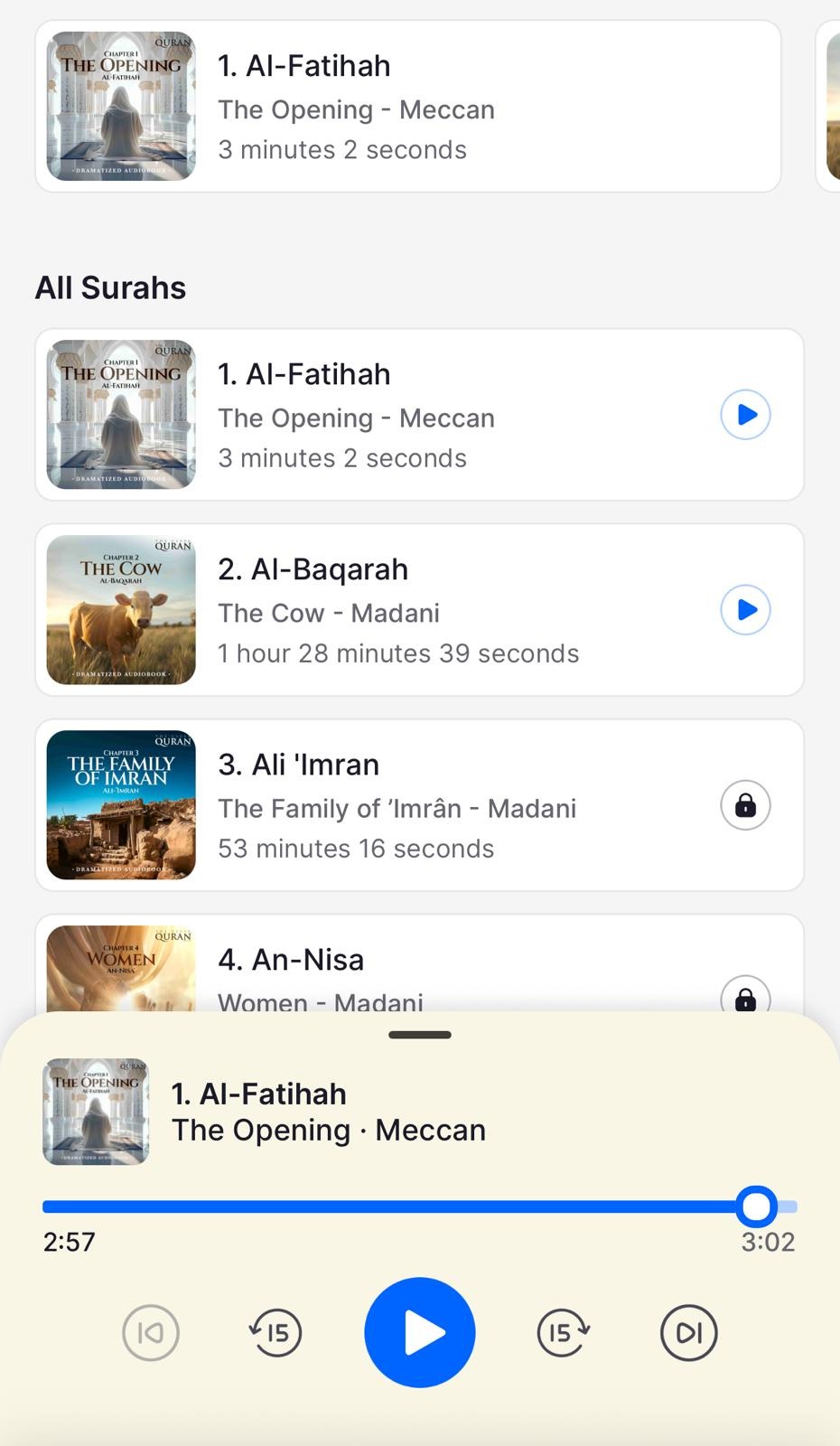
The Quran
A message that speaks to every part of life
Curious and Want to Go Deeper?
There’s No Rush! Here’s What You Can Do Next
The Pathfinders
Those who found the truth, and chose to walk it

Thom J. Défilet
Dutch entrepreneur

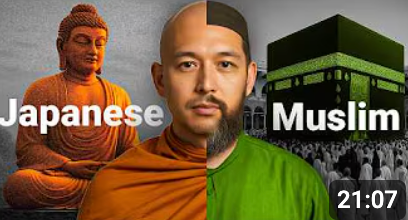
Shigeo
Muslim Samurai

Laurence Brown
Physician
Someone once told me , and I feel much like that before Islam
I had given up on God but God never gave up on me. Alhamdulillah